How to Boost Your Home’s Curb Appeal with New Windows
How to Boost Your Home’s Curb Appeal with New Windows
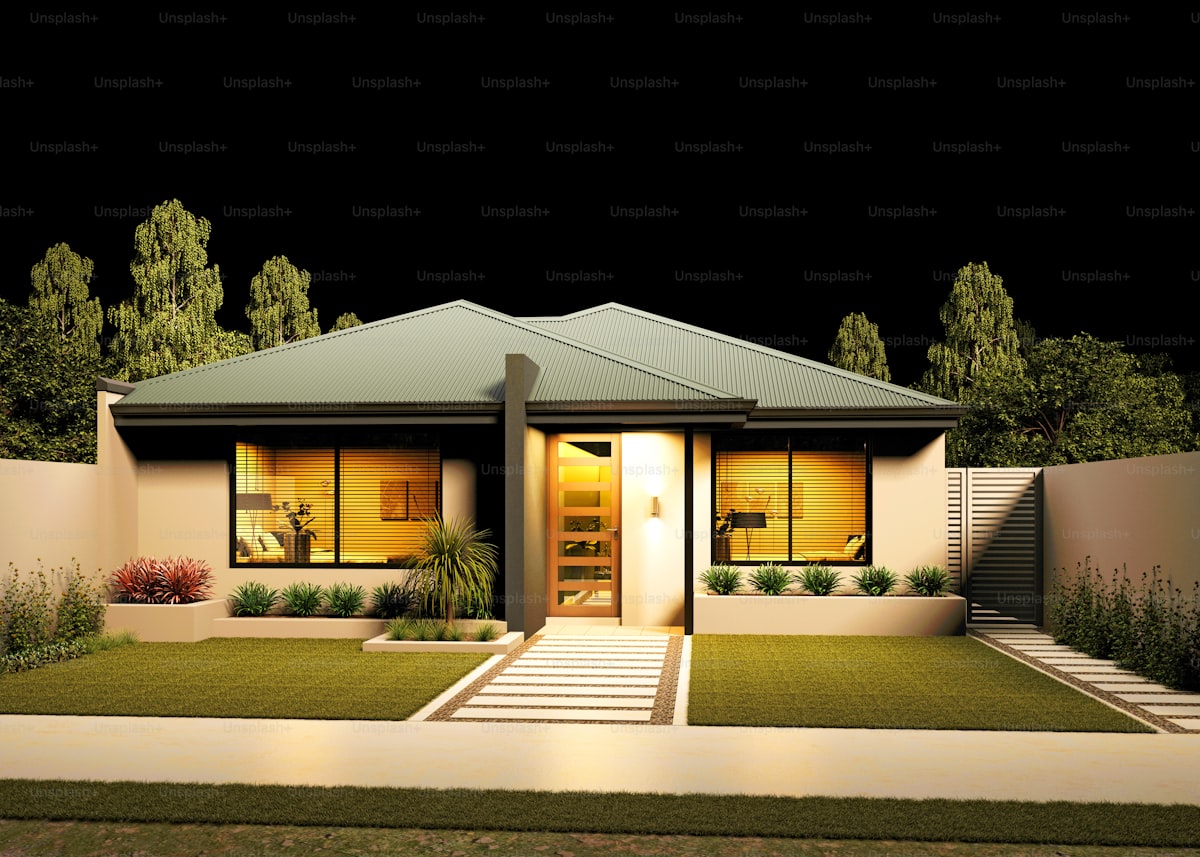
When most people think about curb appeal, they think about paint colors, landscaping, and front doors. Windows rarely get the attention they deserve — yet they are one of the single most impactful elements of a home’s exterior appearance. The right windows can make a modest home look polished and intentional; the wrong ones (or worn-out originals) can drag down even the most beautiful façade. This guide covers how to choose window styles, colors, and grid patterns that elevate your home’s curb appeal from ordinary to outstanding.

Table of Contents
Why Windows Matter More Than You Think
Windows are often called the “eyes” of a home — and the comparison is apt. They dictate symmetry, proportion, and visual rhythm across a façade. Faded, fogged, or mismatched windows send an immediate signal of deferred maintenance, while crisp, uniform windows suggest a home that’s been thoughtfully cared for.
According to a national survey by the National Association of Realtors, 71% of homebuyers said that windows were a deciding factor in their home purchase. New windows consistently rank among the top exterior improvements for both resale value and buyer perception — often recouping 67–73% of their cost while making the home more attractive and energy-efficient.
Match Your Window Style to Your Home’s Architecture
The most common curb appeal mistake homeowners make is installing windows that clash with their home’s architectural language. A sleek, grille-less casement window can look stunning on a contemporary home but awkward on a colonial. Similarly, a double-hung window with colonial grids looks perfect on a Cape Cod but dated on a modern ranch. Here’s a quick matching guide:
| Architectural Style | Best Window Types | Grid Pattern |
|---|---|---|
| Colonial / Georgian | Double-hung | 6-over-6 or 6-over-1 colonial grids |
| Craftsman / Bungalow | Double-hung, casement | Prairie-style (perimeter only) or top-sash grids |
| Cape Cod | Double-hung | 6-over-1 or 4-over-1 |
| Ranch / Mid-Century | Casement, picture, sliding | No grids or minimal horizontal |
| Contemporary / Modern | Casement, picture, fixed | No grids |
| Victorian | Double-hung, bay, bow | Queen Anne or decorative top-sash grids |
Choosing the Right Exterior Frame Color
Window frame color is one of the most visible design choices you’ll make. Today’s vinyl and fiberglass windows come in a wide range of factory-applied exterior colors — and once installed, they’re essentially permanent (vinyl can’t be painted easily, and fiberglass paint lasts decades). Here are the principles that professional designers follow:
Contrast creates definition. If your home has light-colored siding (white, cream, light gray), dark window frames (black, bronze, dark gray) create crisp visual definition and a modern, high-end look. This is the most popular trend in exterior design right now and adds instant sophistication.
Matching creates cohesion. White windows on a white home create a seamless, clean look that’s classic and timeless. This approach works best on colonial, Cape Cod, and farmhouse-style homes where simplicity is part of the design language.
Coordinate with fixed elements. Your roof, stone, brick, and driveway aren’t changing. Choose a window frame color that harmonizes with these permanent elements. If your roof has warm undertones (brown, terracotta), lean warm with your window frames (bronze, tan). If it leans cool (gray, charcoal), black or dark gray frames will feel more cohesive.
Grid Patterns: More Impactful Than You’d Expect
Window grids (also called grilles or muntins) may seem like a small detail, but they have an outsized effect on how your home reads from the street. They add visual complexity, break up large glass expanses, and signal architectural intent. The key options include:
Colonial grids divide the window into equal rectangular panes (6-over-6, 8-over-8). They’re the classic choice for traditional homes and immediately convey formality and heritage.
Prairie-style grids feature a grid only around the perimeter of the glass, creating a frame-within-a-frame effect that looks clean and architectural. They work beautifully on craft and transitional homes.
Top-sash-only grids place the grid only in the upper sash of a double-hung window, leaving the lower sash clear. This is a popular compromise that adds character without blocking views.
No grids is the right choice for modern, contemporary, and minimalist homes. Clean, uninterrupted glass maximizes views, light, and a sense of openness.
Five Quick Wins for Maximum Curb Appeal Impact
1. Make all windows match. Consistency is key. If you’re replacing some but not all windows, choose a style and color that blends with the existing ones — or commit to replacing them all for a unified look.
2. Use window trim to frame and define. Even standard windows gain presence with well-proportioned exterior trim. A 3.5″ to 4.5″ flat casing in a contrasting color transforms a plain window into a design feature.
3. Add window boxes. Flower boxes beneath front-facing windows add color, charm, and dimensionality to an otherwise flat façade. They work on virtually every architectural style and cost as little as $30–$80 each.
4. Consider decorative shutters. Functional or decorative shutters flanking windows add symmetry, color, and a finished look. Make sure they’re sized correctly — they should appear to cover the window if closed. Undersized shutters are a common mistake that cheapens the appearance.
5. Don’t forget the glass. Clean windows are free curb appeal. Schedule a professional window cleaning twice a year, or invest in a quality squeegee and do it yourself. Sparkling glass catches light and shows the home at its best.
Windows are far more than functional openings — they’re design elements that shape how your home is perceived from the street. By matching window styles to your home’s architecture, choosing frame colors that create intentional contrast or cohesion, and adding thoughtful details like grids, trim, and window boxes, you can dramatically boost curb appeal without a complete exterior overhaul. The investment pays back in daily enjoyment, neighborhood pride, and real resale value.
Written by
Margaret Collins
Margaret is a home improvement writer and former licensed contractor with 14 years of hands-on experience in window installation and energy-efficient remodeling. She founded My Home Servesa to give homeowners the same straight-talking guidance she wished she’d had when renovating her own 1980s colonial in Ohio.
Margaret’s work has been cited in home improvement guides across the web. She holds a general contractor’s license (Ohio) and is a certified ENERGY STAR partner.
I didn’t realize how much the installation quality mattered until it was too late. Great point in here.
Been doing a lot of research on this topic and this is one of the better articles I’ve found.
This is going in my ‘show the contractor’ folder. Very useful.
Really helpful article, thank you for putting this together!
As a first-time homeowner this was a lifesaver. Thank you!
Our old windows were original to the house (built 1987). The difference is night and day.
Clear, practical, and honest. Not a lot of fluff. Love it.
Came here from a Google search and stayed for the whole article. Says a lot.
This answered so many questions I had. Very well written.
Bay window added so much natural light to our kitchen. Best renovation decision we’ve made.
My neighbor just went through this process and had no idea about half of this. Sending it to her now.
I’ve read a dozen articles on this and this one finally made it click for me.
Super informative. Wish I had found this before I made my decision last year!
Triple-pane was out of our budget but after reading this I feel good about the double-pane choice.
The noise reduction alone made the replacement worth every penny for us. We live near a busy road.
Fiberglass is pricier but after seeing my neighbor’s vinyl warp, I think it’s worth it.
My biggest regret is not going with a bigger picture window in the living room. Measure twice!
I sent this to my contractor and he said it’s spot on. Good stuff.
Very thorough. You covered things most other sites completely skip over.
Exactly what I was looking for. Pinned to my home improvement board on Pinterest.