Open-Concept Living Room Ideas That Work for Any Home
Open-Concept Living Room Ideas That Work for Any Home
Open-concept living has moved far beyond a passing trend — it’s become the default aspiration for homeowners who want their spaces to feel brighter, more connected, and more functional. But creating a successful open-concept room is about much more than knocking down a wall. It requires thoughtful planning around sight lines, natural light, furniture placement, and zone definition to avoid the dreaded “warehouse effect.” Whether you’re renovating a 1960s ranch or designing a new build, these ideas will help you create an open living room that feels both expansive and intentional.

Table of Contents
Before You Remove a Wall: What to Know
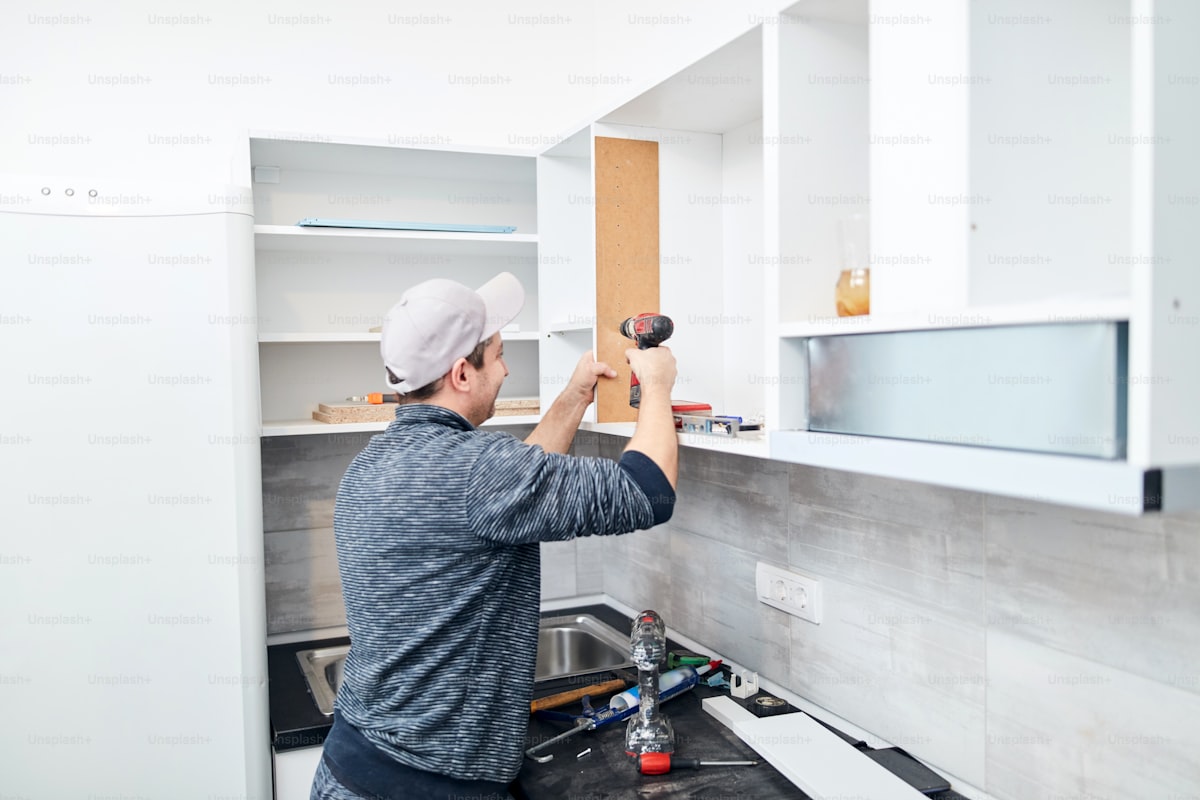
The most dramatic way to create an open-concept layout is removing a wall between the kitchen and living room — but not every wall can come down. Load-bearing walls support the structure above them, and removing one without proper engineering (a beam, posts, or header) can cause serious structural problems. Always have a structural engineer or licensed contractor evaluate the wall before demolition.
Even if the wall is non-load-bearing, you’ll need to reroute any electrical wiring, plumbing, or HVAC ducts running through it. Budget $3,000–$10,000 for a typical wall removal project including the structural beam, electrical rerouting, drywall patching, and floor matching where the wall used to be.
Maximize Natural Light
One of the greatest advantages of an open floor plan is the ability to share natural light across multiple zones. Light that enters through a kitchen window can now reach the living area, and vice versa. To maximize this benefit:
Enlarge or add windows on exterior walls. If you’re already doing construction, consider replacing small windows with larger ones or adding a picture window. The incremental cost during construction is far less than doing it as a standalone project later.
Use glass doors or transom windows. Sliding glass doors to a patio or deck flood an open living space with light while creating a visual connection to the outdoors. Transom windows above standard windows or doorways add light without sacrificing wall space.
Keep window treatments minimal. Heavy drapes and dark blinds defeat the purpose of an open, light-filled space. Choose sheer curtains, top-down/bottom-up cellular shades, or roller shades in neutral tones that disappear when raised.
Define Zones Without Walls
The biggest challenge in open-concept living is making distinct activity areas feel defined without rebuilding the barriers you just removed. Professional designers use several techniques:
Area rugs are the simplest zone-defining tool. A large rug under the living room seating group anchors the space and visually separates it from the kitchen or dining area. Choose a rug large enough that all furniture legs sit on it (or at least the front legs).
Furniture placement is your most powerful tool. A sofa placed with its back to the kitchen creates a natural boundary between cooking and lounging zones without blocking sight lines. A console table behind the sofa reinforces the division while providing a surface for lamps or décor.
Ceiling treatments signal zone changes overhead. A tray ceiling or coffered ceiling in the living area, a different ceiling height over the kitchen island, or even a shift in paint color on the ceiling can subtly define boundaries.
Flooring transitions work well when done with intention — tile in the kitchen transitioning to hardwood in the living area, for instance. That said, continuous flooring throughout is the stronger trend right now, as it emphasizes the “openness” of the plan.
Kitchen Island as the Anchor
In most open-concept layouts, the kitchen island becomes the single most important piece of architecture in the room. It serves as the dividing line between the kitchen and living zones, provides seating for casual meals and conversation, and functions as a prep surface, storage unit, and gathering spot.
For the island to work as a zone divider, it should be at least 7 feet long and 3 feet deep — large enough to have visual weight. Adding pendant lights above the island reinforces its role as the centerpiece and creates a warm pool of light that draws people in. Waterfall edges (where the countertop material continues down the sides) add a modern, finished look that’s especially effective in open layouts.
Furniture Layout Ideas That Actually Work
The Conversation Layout: Two sofas facing each other (or a sofa facing two accent chairs) across a coffee table creates an intimate conversation grouping that feels intentional. This layout works well in medium to large rooms and naturally turns the seating area inward, away from the kitchen.
The L-Shape Layout: A sectional sofa in an L-shape anchors a corner of the room and creates a cozy nook within the larger open space. Add a round coffee table to soften the angular lines and keep traffic flow smooth around the seating area.
The Floating Layout: Instead of pushing all furniture against walls (a common mistake in open rooms), “float” the sofa and chairs in the center of the space with walking paths behind them. This creates a room-within-a-room effect and makes the area feel more furnished and intentional.
Common Open-Concept Mistakes to Avoid
Not enough storage. Open layouts expose everything — including clutter. Build in plenty of concealed storage: closed kitchen cabinets, a media console with doors, built-in shelving with baskets. The minimalist look of a well-designed open space only works if you have somewhere to put things away.
Ignoring acoustics. Hard surfaces and big open volumes create echo and noise. Area rugs, upholstered furniture, curtains, and even a bookshelf full of books all absorb sound. If noise bouncing between the kitchen and living area is a problem, consider acoustic ceiling panels or a large textile wall hanging.
Mismatched design language. In an open layout, the kitchen, dining area, and living room are all visible simultaneously. They don’t need to be identical, but they should share a cohesive color palette, material palette, and style direction. Mixing farmhouse kitchen cabinets with ultra-modern living room furniture creates visual chaos.
Open-concept living rooms offer the best of both worlds — spaciousness and togetherness. The key is to think of the open space not as one giant room but as multiple overlapping zones, each with its own purpose, defined by furniture, lighting, and materials rather than walls. When done right, an open-concept layout makes your home feel twice as large and ten times more livable.
Written by
Margaret Collins
Margaret is a home improvement writer and former licensed contractor with 14 years of hands-on experience in window installation and energy-efficient remodeling. She founded My Home Servesa to give homeowners the same straight-talking guidance she wished she’d had when renovating her own 1980s colonial in Ohio.
Margaret’s work has been cited in home improvement guides across the web. She holds a general contractor’s license (Ohio) and is a certified ENERGY STAR partner.

Curb appeal upgrades made our neighbor literally stop and compliment us. Worth it.
Came here from a Google search and stayed for the whole article. Says a lot.
The part about U-factor really cleared things up for me. My contractor kept mentioning it and I had no idea what he meant.
We replaced all 14 windows last spring and it made a huge difference in our energy bills.
Casement windows all the way. So much easier to clean than double-hung.
Great read. Shared it with my husband — we’ve been going back and forth on this for months.
The section on ENERGY STAR ratings was really eye-opening. I had no idea there were different zones.
Before and after photos would make this article even better but the content is great.
My biggest regret is not going with a bigger picture window in the living room. Measure twice!
The ROI breakdown is really helpful for justifying the cost to my spouse lol.
Would love a follow-up on maintenance tips too. Hint hint 🙂
The permit section is something so many DIYers skip. Don’t skip permits, trust me.
Hiring the right contractor is honestly half the battle. Took us three tries to find a good one.
The part about not over-improving for the neighborhood is something every homeowner should hear.
Open concept sounded great until we realized how much it cost to move a load-bearing wall.
My neighbor just went through this process and had no idea about half of this. Sending it to her now.
Very thorough. You covered things most other sites completely skip over.
Fiberglass is pricier but after seeing my neighbor’s vinyl warp, I think it’s worth it.
Used a home equity loan for our reno — good option for those who have the equity.