Best Exterior Paint Colors for Your Home in 2026
Best Exterior Paint Colors for Your Home in 2026
The right exterior paint color can transform a tired-looking house into the most admired home on the block — no structural changes required. But choosing from hundreds of color chips at the paint store can be paralyzing. Which shades are trending in 2026? What pairs well with your roof, stone, and landscaping? And how do you avoid a choice you’ll regret for the next decade? This guide breaks down the most popular exterior paint colors for 2026, with practical pairing advice for trim, doors, shutters, and windows by architectural style.

Table of Contents
The Biggest Color Trends for 2026
Exterior paint trends have shifted dramatically in recent years. The all-gray era is fading, replaced by warmer, more nature-inspired palettes. Here’s what’s defining the 2026 exterior color landscape:
Warm whites and creamy neutrals have overtaken cool whites and stark grays as the most popular body colors. Think Benjamin Moore’s White Dove (OC-17), Sherwin-Williams Alabaster (SW 7008), or Farrow & Ball’s Pointing. These warm whites feel organic and inviting without reading as yellow — they pair beautifully with dark trim and natural materials.
Earthy greens are the breakout color category of 2026. Olive, sage, forest green, and moss tones connect a home to its landscape and feel both fresh and timeless. Sherwin-Williams’ Evergreen Fog (SW 9130), Benjamin Moore’s Cushing Green (HC-125), and Farrow & Ball’s Treron are all excellent choices. Green works on virtually every architectural style and pairs naturally with white trim and black or dark bronze accents.
Deep navy and charcoal continue strong as dramatic body colors for smaller homes, cottages, and modern builds. A dark exterior with crisp white trim and a bold front door is one of the most striking looks in residential design. Benjamin Moore’s Hale Navy (HC-154) and Sherwin-Williams’ Iron Ore (SW 7069) are perennial favorites in this category.
Warm grays and greiges haven’t disappeared — they’ve evolved. The cool blue-grays of the 2010s have been replaced by warmer gray-brown tones that pair better with natural stone, wood, and warm-toned roofs. Look to colors like Sherwin-Williams’ Accessible Beige (SW 7036) or Benjamin Moore’s Revere Pewter (HC-172).
Color Pairing Guide by Architectural Style
| Home Style | Body Color | Trim | Front Door | Shutters |
|---|---|---|---|---|
| Colonial | Warm white or soft gray | Crisp white | Navy, black, or burgundy | Black or dark green |
| Craftsman | Olive, sage, or warm brown | Cream or ivory | Russet red or warm wood | Dark brown or forest green |
| Farmhouse | Classic white or cream | White | Black, sage green, or barn red | None or black |
| Modern / Contemporary | Charcoal, black, or warm white | Same as body or natural wood | Pivot door in natural wood | None |
| Cape Cod | Slate blue, gray, or weathered shingle | White | Red, yellow, or teal | White or matching body |
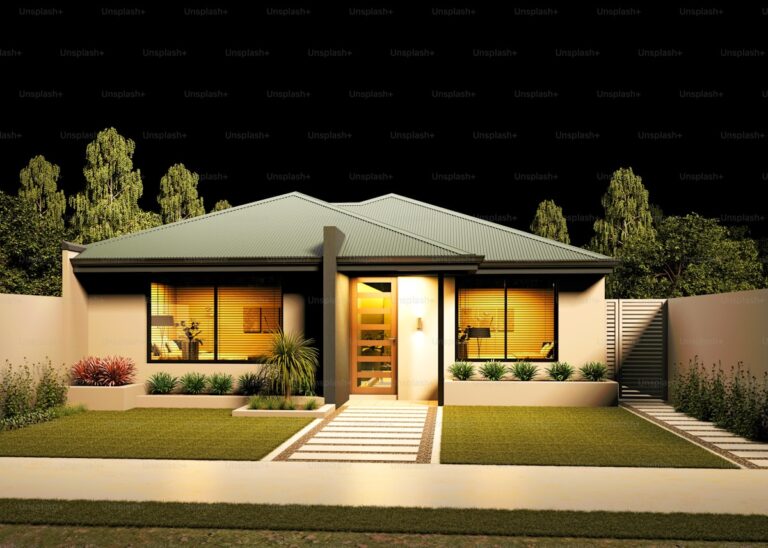
| Ranch | Sage green, warm gray, or tan | White or cream | Teal, coral, or bright contrast | Accent color or none |
The Front Door: Your Biggest Opportunity for Bold Color
The front door is the one place where bold, saturated color almost always works. It’s a small surface area with huge visual impact, and it sets the tone for the entire home. The most popular front door colors for 2026 include:
Classic black — timeless, elegant, and works with every exterior palette. It’s the safest bold choice and by far the most popular door color nationwide.
Deep navy — sophisticated and slightly warmer than black; particularly striking on white or cream homes.
Warm red or burgundy — traditional, welcoming, and psychologically associated with warmth and hospitality. Best on colonial, craftsman, and farmhouse homes.
Sage or forest green — emerging as a major door color trend, especially on homes with warm white or natural wood exteriors.
Natural wood stain — an unstained or lightly stained wood door (behind a clear sealant) brings organic warmth and texture that painted surfaces can’t replicate. Increasingly popular on modern, contemporary, and farmhouse-style homes.
Rules for Choosing Colors You Won’t Regret
Start with your fixed elements. Your roof, brick, stone, and driveway aren’t going to change. Your paint colors need to work with them, not fight them. Hold color samples against your roof line and any stone or brick to check for clashing undertones.
Always test large samples on the actual wall. Paint looks dramatically different on a tiny chip under fluorescent store lighting versus a full wall in direct sunlight. Buy sample pots and paint at least a 2’×2′ swatch on 2–3 walls of your home (one in direct sun, one in shade). Live with it for at least a week, viewing it at different times of day.
Stick to three colors maximum. A professional exterior paint scheme uses three colors: a body color (walls/siding), a trim color (window frames, fascia, corners), and an accent color (front door, shutters). Going beyond three creates visual chaos. Within those three, the body should be the least saturated and the accent should be the most saturated.
Consider your neighborhood context. Your home doesn’t exist in isolation. While you don’t need to match your neighbors, dramatically clashing with the street’s overall aesthetic can hurt resale value. A hot pink house on a street of earth-toned homes will stand out — and not in the way that adds value.
Coordinating Windows with Your Paint Scheme
Your windows are a key element in the overall exterior color story. If you’re planning both a paint job and window replacement, coordinate the two for maximum impact:
Dark windows on light walls is the dominant trend — black or dark bronze frames on warm white, cream, or light gray siding. This combination creates crisp architectural definition and a high-end, designer look.
White windows on dark walls creates a classic, nautical-inspired contrast that works beautifully on navy, charcoal, or deep green exteriors. It’s a bold look with a traditional foundation.
Tone-on-tone (matching window frames to siding color) creates a monochromatic, seamless look that’s popular on modern and contemporary homes. The windows become part of the wall rather than a contrasting element.
Your exterior paint color is one of the most visible and emotionally impactful decisions you’ll make as a homeowner. The 2026 palette leans warm, earthy, and nature-connected — a welcome shift from the cool grays that dominated the last decade. Take your time, test generously, and let your home’s architecture and permanent materials guide your choices. A thoughtful exterior color scheme costs the same as a thoughtless one, but the difference in curb appeal is enormous.
Written by
Margaret Collins
Margaret is a home improvement writer and former licensed contractor with 14 years of hands-on experience in window installation and energy-efficient remodeling. She founded My Home Servesa to give homeowners the same straight-talking guidance she wished she’d had when renovating her own 1980s colonial in Ohio.
Margaret’s work has been cited in home improvement guides across the web. She holds a general contractor’s license (Ohio) and is a certified ENERGY STAR partner.
I’ve read a dozen articles on this and this one finally made it click for me.
Exactly what I was looking for. Pinned to my home improvement board on Pinterest.
Would love a follow-up on maintenance tips too. Hint hint 🙂
This is going in my ‘show the contractor’ folder. Very useful.
I sent this to my contractor and he said it’s spot on. Good stuff.
The part about not over-improving for the neighborhood is something every homeowner should hear.
Curb appeal upgrades made our neighbor literally stop and compliment us. Worth it.
Great read. Shared it with my husband — we’ve been going back and forth on this for months.
The ROI breakdown is really helpful for justifying the cost to my spouse lol.
I’ve been looking for exactly this kind of breakdown. Bookmarking for later.
Used a home equity loan for our reno — good option for those who have the equity.
The permit section is something so many DIYers skip. Don’t skip permits, trust me.
Very thorough. You covered things most other sites completely skip over.
I appreciate that you included real cost numbers. Most articles are so vague.
Came here from a Google search and stayed for the whole article. Says a lot.
Just finished a bathroom reno and every single one of these tips applies. Spot on.
Before and after photos would make this article even better but the content is great.
I’m a contractor and this is pretty solid advice. Nice to see something accurate for once.
Clear, practical, and honest. Not a lot of fluff. Love it.