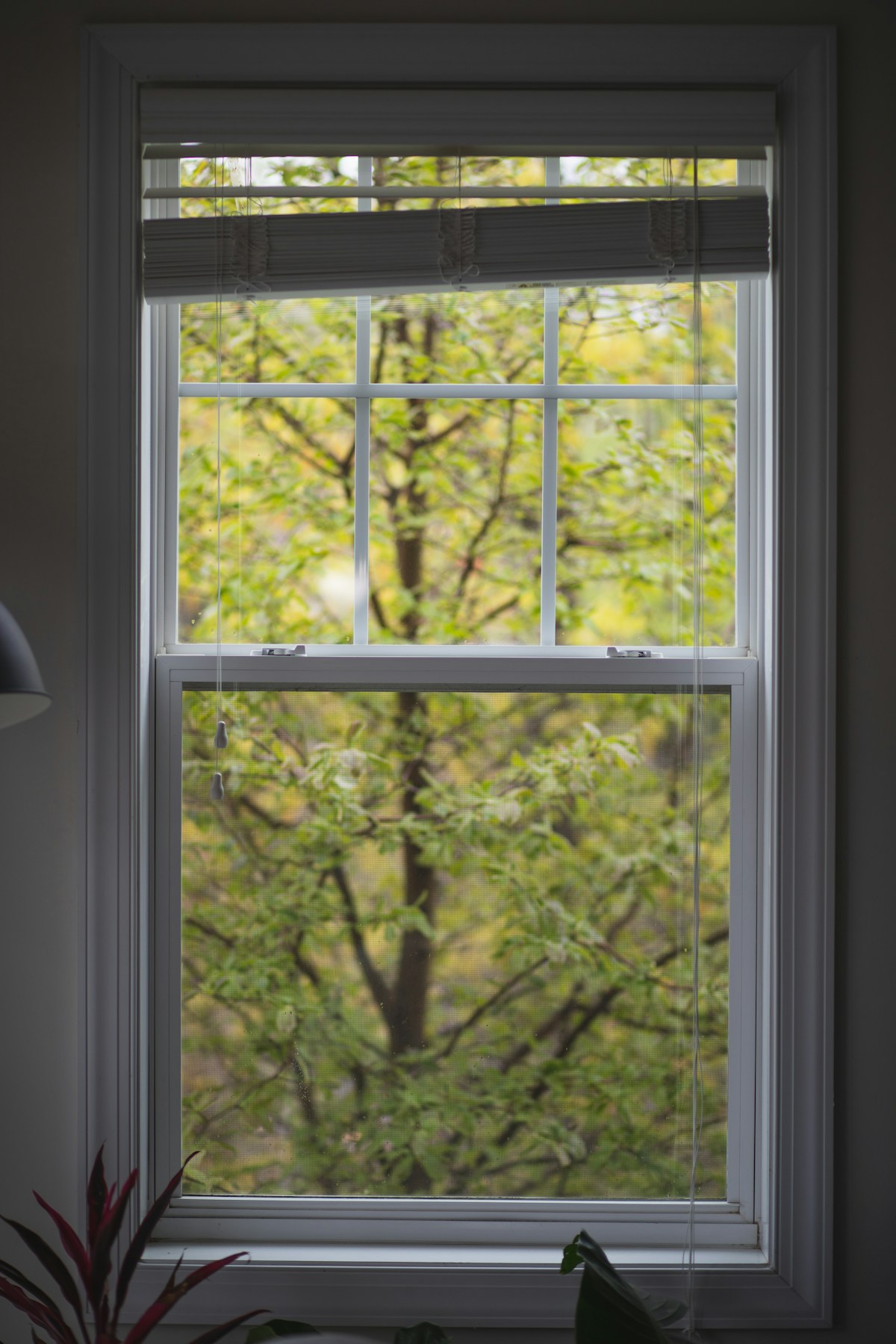
How to Measure Windows for Replacement (Step-by-Step)
How to Measure Windows for Replacement (Step-by-Step)
Replacing a window sounds straightforward — until you order the wrong size and spend three weeks waiting for a second shipment. Accurate measurements are the single most important step in any window replacement project, yet they’re also the step most homeowners rush through. This guide walks you through every measurement you need, the tools that make it easy, and the common mistakes that cause expensive delays.
Table of Contents
Tools You’ll Need Before You Start
You don’t need a full contractor’s toolkit. For measuring windows, gather the following before you begin:
- Steel tape measure — at least 25 feet; cloth tapes can stretch and give inaccurate readings
- 4-foot level — to check whether your frame is plumb and square
- Pencil and notepad — write down every measurement immediately; don’t trust memory
- Flashlight — older windows often have dark interior frames that are hard to see in
- Step stool or ladder — for reaching the top corners of taller windows safely
Pro Tip: Always measure in inches and fractions of an inch, not decimal feet. Window manufacturers use fractional inch measurements and rounding to the nearest ⅛ inch is standard practice in the industry.

Step-by-Step: How to Measure Window Width
Width is measured horizontally from the inside edge of one side jamb to the inside edge of the opposite side jamb — this is called the rough opening width. Take three separate measurements and always use the smallest number.
Width Measurement Steps
Step 1 — Top measurement: Hold your tape measure flat against the inside top of the window frame. Measure from the left jamb to the right jamb. Write this down.
Step 2 — Middle measurement: Move the tape to the middle of the window and repeat. Frames often bow slightly; the middle reading is frequently the most revealing.
Step 3 — Bottom measurement: Measure at the bottom of the frame, just above the sill. Record all three numbers.
Step 4 — Use the smallest number. This is your rough opening width. When you order your replacement window, you will typically deduct ½ inch from this number to give the installer room to shim and level the unit. Always confirm the deduction with your specific manufacturer — some require more clearance than others.
Step-by-Step: How to Measure Window Height
Height is measured vertically from the high point of the window sill (the flat horizontal surface inside) to the underside of the top jamb. Again, take three measurements and use the smallest.
Step 1 — Left side: Run your tape from the sill straight up to the top jamb on the left side of the opening.
Step 2 — Center: Repeat in the center of the opening.
Step 3 — Right side: Measure up the right side.
Step 4 — Use the smallest number, then deduct ½ inch for installation clearance. This is your rough opening height.
Important: Measure to the sill — not to the stool (the decorative interior ledge that extends into the room) or to the exterior brick mold. The sill is the actual structural surface inside the frame. Measuring to the wrong surface is one of the top causes of incorrect orders.
Checking for Square: Why It Matters
A window opening that is out of square — meaning the corners are not true 90-degree angles — will cause problems during installation even if your measurements are otherwise perfect. To check for square, measure diagonally from the upper-left corner to the lower-right corner, then from the upper-right corner to the lower-left corner. If both diagonal measurements are within ¼ inch of each other, the opening is square enough for a standard installation.
If the difference is greater than ¼ inch, you have an out-of-square opening. This doesn’t necessarily prevent window replacement, but it does mean the installer will need to do more shimming work and the window manufacturer may need to know about the discrepancy. Mention it when you place your order.

Rough Opening vs. Actual Window Size
One of the most confusing aspects of ordering replacement windows is understanding the difference between the rough opening (the space in the wall) and the actual window size (the unit itself). For a standard insert or pocket replacement — where you keep the existing frame — the window you order will be smaller than the rough opening by about ½ inch in both width and height to allow for shimming.
For a full-frame replacement, where the entire frame including the jambs is torn out, you measure the rough framing opening and order a window that’s typically 1 inch smaller in each direction. Your installer or manufacturer will confirm the exact deduction required.
| Replacement Type | What You Measure | Deduction to Order |
|---|---|---|
| Insert / Pocket Replacement | Inside of existing frame | ½” each direction |
| Full-Frame Replacement | Rough framing opening | 1″ each direction |
| New Construction | Rough framing opening | Per manufacturer spec |
Common Mistakes to Avoid
Measuring only once. Houses settle, frames warp, and no opening is perfectly uniform. Taking a single measurement and ordering on that number is the number-one cause of wrong-size windows.
Measuring the old sash instead of the opening. If you pull the old window out and measure the glass unit itself, you’re measuring the wrong thing. Always measure the opening, not the piece being removed.
Ignoring trim and interior casing. The casing around your window is decorative — it does not define the opening size. Measure from jamb to jamb, not from casing edge to casing edge.
Not confirming measurements with the installer. Even if you’re confident in your numbers, have your window installer verify all measurements before the order is placed. Most reputable window suppliers will send a technician to measure before fabrication begins — take them up on it.
Ordering Tips: Getting It Right the First Time
Once you have your measurements, call or visit your window supplier with the following information ready: rough opening width, rough opening height, the type of replacement you’re doing (insert or full-frame), the number of windows, and the window style you want (single-hung, double-hung, casement, etc.). If you’re replacing multiple windows, measure every single one individually — even windows in the same room can have slightly different opening sizes due to settling.
Ask about lead times before you schedule installation. Custom-sized windows typically take 4–8 weeks to manufacture. Standard-size windows are often available from stock and can ship within a week. Planning your timeline around the actual delivery date — not the order date — prevents scheduling headaches.
Final Checklist: Width at top, middle, bottom (use smallest) → Height at left, center, right (use smallest) → Diagonal square check → Confirm replacement type (insert or full-frame) → Deduct per manufacturer spec → Order with lead time in mind. Taking 20 minutes to measure carefully saves weeks of delays and hundreds of dollars in restocking fees.
Written by
Margaret Collins
Margaret is a home improvement writer and former licensed contractor with 14 years of hands-on experience in window installation and energy-efficient remodeling. She founded My Home Servesa to give homeowners the same straight-talking guidance she wished she’d had when renovating her own 1980s colonial in Ohio.
Margaret’s work has been cited in home improvement guides across the web. She holds a general contractor’s license (Ohio) and is a certified ENERGY STAR partner.



Our old windows were original to the house (built 1987). The difference is night and day.
The part about U-factor really cleared things up for me. My contractor kept mentioning it and I had no idea what he meant.
I appreciate that you included real cost numbers. Most articles are so vague.
Fiberglass is pricier but after seeing my neighbor’s vinyl warp, I think it’s worth it.
Triple-pane was out of our budget but after reading this I feel good about the double-pane choice.