Double-Hung vs. Casement Windows: Which Is Right for You?
Double-Hung vs. Casement Windows: Which Is Right for You?
Double-hung and casement windows together account for the overwhelming majority of replacement window sales in North America. Both are practical, widely available, and compatible with most home styles — yet they differ significantly in how they operate, ventilate, clean, and perform over time. If you’re replacing windows in a specific room and aren’t sure which style fits better, this detailed comparison will help you make the right call.

Table of Contents
How Each Window Type Works
Understanding the mechanics of each type is the foundation for comparing them — everything from ventilation to cleaning follows from how the window opens.
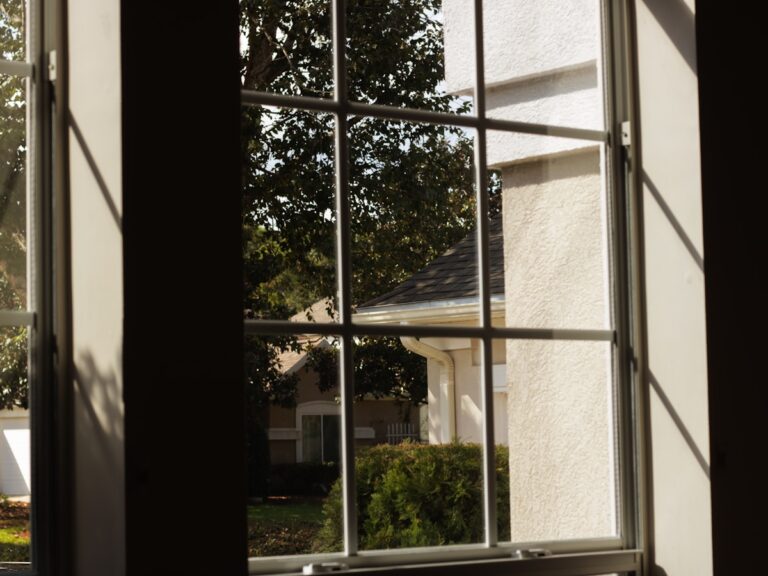
Double-Hung Windows have two independently operable sashes — the upper and lower panels — that slide vertically within the frame. You can open just the bottom sash, just the top, or both simultaneously. Most modern double-hung windows tilt inward on both sashes, allowing you to clean the exterior glass from inside the home. This is the window style most people grew up with and the one most often found in pre-1980 American housing stock.
Casement Windows are hinged on one vertical side and swing outward — usually to the left or right — via a hand crank at the bottom of the frame. When fully open, the entire window opening is available for airflow. There’s no sash dividing the view, and the seal when closed is typically tighter than a double-hung because the crank mechanism actively compresses the sash against the weatherstripping. Think of it as a door for your wall: simple, elegant, and highly effective.
Ventilation: Casements Have a Significant Edge

This is one of the starkest differences between the two styles. A double-hung window, when both sashes are open, exposes only about 50% of the total window area to airflow — the top half through the upper sash and the bottom half through the lower sash, but there’s always frame and sash hardware limiting the opening.
A casement window opens the full frame opening — close to 100% of the rough opening — with no horizontal sash bar interrupting airflow. In rooms where cross-ventilation or maximum air circulation matters, casements are simply more effective.
There’s also the airflow direction advantage: casements can be positioned to act as a scoop, angling outward to catch and channel prevailing breezes into the room. Double-hung windows can only permit air to move directly through the opening — they can’t redirect it.
Cleaning and Maintenance
Modern double-hung windows tilt inward, meaning both sashes can be cleaned from the interior — a genuine convenience for second-floor bedrooms or any window not easily accessible from outside. This is a significant practical advantage, especially in multi-story homes.
Casement windows also clean relatively easily. When open, the exterior face of the glass is accessible from inside — you can reach around the open sash to wipe down the exterior. It requires a bit more maneuvering than a tilting double-hung, but it works well for first and second floors. For windows above the second floor, casements can be trickier to clean thoroughly without ladder access.
Casements have one maintenance consideration that double-hungs don’t: the crank mechanism. It’s generally reliable but can wear or corrode over decades, especially in coastal or high-humidity environments. Replacement cranks are available and not expensive, but it’s worth noting as an additional moving part that double-hung windows don’t have.
Cost Comparison

Both window types are similarly priced at the entry level, but casements tend to run slightly higher on average — particularly in larger sizes — because of the more complex hardware and the crank mechanism.
Double-hung windows: $300–$850 installed (vinyl); $600–$1,400 (fiberglass or wood-clad)
Casement windows: $400–$950 installed (vinyl); $700–$1,500 (fiberglass or wood-clad)
The difference per window is modest — roughly $50–$150 more for casements on average. Over a whole-house project of 15 windows, that’s an additional $750–$2,250. Not negligible, but not a dealbreaker either if casements better suit your needs.
Which Window Works Best Where?
Room placement often provides the clearest answer to the double-hung vs. casement question:
Bedrooms: Double-hung windows are the classic choice for bedrooms — they’re familiar, easy to operate, and easy to secure with a window stop to allow ventilation while preventing the window from being opened from outside. Casements work beautifully here too, particularly if the bedroom has a scenic view.
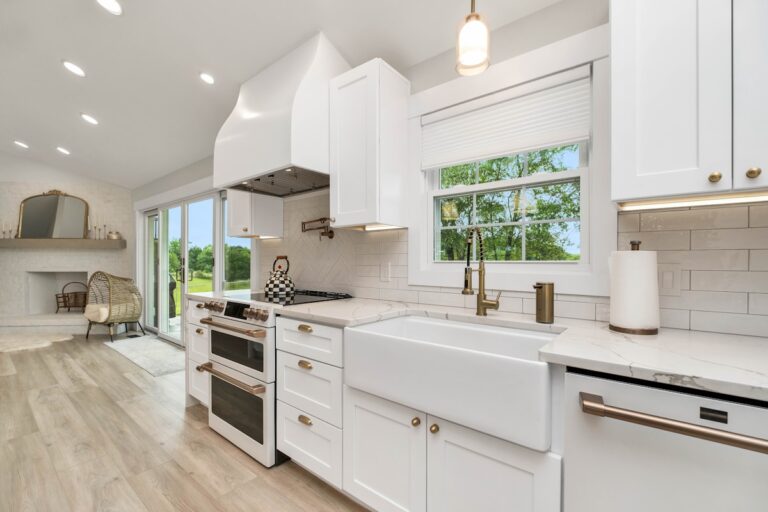
Kitchens: Casements are strongly preferred over a sink or countertop. You can reach the crank easily, the window swings fully open to vent cooking odors and steam, and the unobstructed opening is practical. A double-hung over a kitchen sink requires reaching up to operate the top sash — awkward and inconvenient.
Bathrooms: Casements excel in bathrooms for the same reason as kitchens — maximum ventilation from a compact opening. They also offer a tighter seal when closed, preventing drafts in a room that tends to be temperature-sensitive.
Living rooms and dining rooms: Either works well. Double-hung windows maintain a more traditional aesthetic that suits formal rooms in older homes. Casements suit contemporary, craftsman, or mid-century modern homes where clean lines are part of the design language.
Pros, Cons, and the Right Choice for Your Home
| Category | Double-Hung | Casement |
|---|---|---|
| Ventilation | ~50% opening area | ~100% opening area |
| Cleaning | Excellent (tilt-in sashes) | Good (reach around when open) |
| Air seal | Good | Excellent (compression seal) |
| Cost | $300–$850 | $400–$950 |
| View quality | Interrupted by middle rail | Unobstructed |
| Best rooms | Bedrooms, living rooms | Kitchens, bathrooms, modern spaces |
| Style compatibility | Traditional, colonial, craftsman | Modern, craftsman, mid-century |
The wisest approach for many homes is a strategic mix: double-hung windows in the bedrooms and living areas where a traditional aesthetic matters, and casements in the kitchen and bathrooms where ventilation and ease of operation take priority. There’s no rule that says every window in your house must be the same style — in fact, thoughtful variation often serves a home better than rigid uniformity.
Written by
Margaret Collins
Margaret is a home improvement writer and former licensed contractor with 14 years of hands-on experience in window installation and energy-efficient remodeling. She founded My Home Servesa to give homeowners the same straight-talking guidance she wished she’d had when renovating her own 1980s colonial in Ohio.
Margaret’s work has been cited in home improvement guides across the web. She holds a general contractor’s license (Ohio) and is a certified ENERGY STAR partner.
Fiberglass is pricier but after seeing my neighbor’s vinyl warp, I think it’s worth it.
Low-E glass is definitely worth it in a hot climate. Our cooling bills dropped noticeably.
Came here from a Google search and stayed for the whole article. Says a lot.
The section on ENERGY STAR ratings was really eye-opening. I had no idea there were different zones.
Really helpful article, thank you for putting this together!
I sent this to my contractor and he said it’s spot on. Good stuff.
Super informative. Wish I had found this before I made my decision last year!