7 Signs Your Home Needs a Major Renovation
7 Signs Your Home Needs a Major Renovation

Every home tells a story — and sometimes the story it’s telling is “I need serious help.” The challenge is knowing the difference between cosmetic wear and genuine structural or mechanical decline. A scuffed baseboard is a weekend project. A failing electrical panel is a fire hazard. Getting that distinction right can mean the difference between a well-timed investment and an emergency repair bill that wipes out your savings.
Whether you’ve just purchased an older home or have been living in yours for decades, these seven warning signs are the ones no homeowner should ignore. We’ll cover what to look for, how urgent each issue is, and what it typically costs to address — so you can plan smart rather than react in a panic.
Table of Contents
- Sign #1: Outdated Electrical Panel (Under 100 Amps)
- Sign #2: Old or Failing Plumbing (Galvanized Pipes, Recurring Leaks)
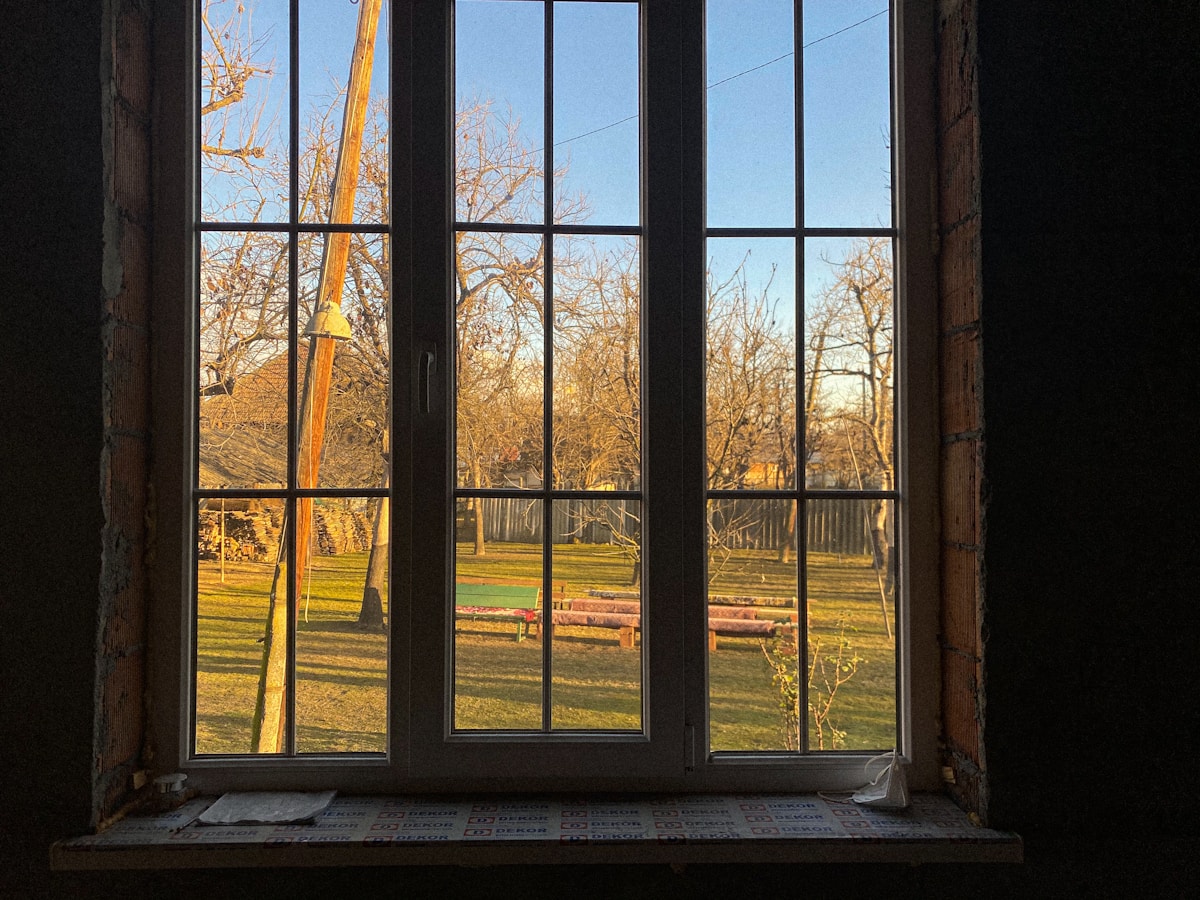
- Sign #3: Drafty or Failing Windows
- Sign #4: Sagging, Damaged, or Aging Roof
- Sign #5: Foundation Cracks or Moisture Intrusion
- Sign #6: HVAC System Over 15 Years Old
- Sign #7: Persistent Mold or Water Damage
- How to Prioritize: The Renovation Order of Operations
Sign #1: Outdated Electrical Panel (Under 100 Amps)
Homes built before the 1970s often have 60-amp electrical service — sometimes even less. Modern households run dishwashers, EV chargers, home offices, and HVAC systems simultaneously. A panel that can’t keep up doesn’t just trip breakers; it can arc, overheat, and start fires inside your walls. Fuse boxes, Federal Pacific Stab-Lok panels, and aluminum branch wiring are particular red flags that insurance companies take very seriously.
What to look for: A panel with fuses instead of breakers, breakers that trip frequently, flickering lights, or outlets that feel warm. Check the amperage label inside the panel door — anything under 100 amps should be evaluated immediately.
Urgency: High. Typical cost: $1,500–$4,000 to upgrade to a 200-amp panel; full rewiring of an older home runs $8,000–$20,000+.
Pro Tip: Before buying any home built before 1980, pay a licensed electrician — not just a home inspector — to evaluate the panel and visible wiring. A $200 evaluation can reveal a $15,000 problem.
Sign #2: Old or Failing Plumbing (Galvanized Pipes, Recurring Leaks)
Galvanized steel pipes were the standard in homes built before 1960. Over time, they corrode from the inside out, restricting water flow and leaching rust into your water supply. Lead pipes — still found in some very old homes — are a serious health hazard. Polybutylene pipes, common in homes built between 1978 and 1995, are known to fail without warning.
What to look for: Rust-colored water, low water pressure throughout the home, visible corrosion on exposed pipes, recurring leaks at joints, water stains on ceilings or walls, and unusually high water bills that suggest a hidden slow leak.
Urgency: Medium to high depending on pipe material. Typical cost: Partial repiping of a bathroom runs $1,500–$4,000; whole-home repiping in copper or PEX is $5,000–$15,000.

Sign #3: Drafty or Failing Windows
Single-pane windows and aging double-pane units with failed seals are among the biggest sources of energy loss in a home. Beyond comfort, drafty windows force your HVAC system to work overtime, inflating monthly utility bills year-round. Wood frames that have begun to rot can also allow moisture to migrate into the wall cavity, setting the stage for mold and structural damage.
What to look for: Condensation or fog between glass panes, visible gaps in the frame, peeling paint or soft wood around the frame, cold spots near windows in winter, or rattling during wind. Hold a lit candle or incense stick near the frame on a breezy day — any flicker indicates air infiltration.
Urgency: Medium. Typical cost: Insert replacement windows run $300–$700 per window installed; full-frame replacement is $600–$1,200+ per window.
Sign #4: Sagging, Damaged, or Aging Roof
Your roof is the first line of defense against everything the sky throws at your home. Asphalt shingles typically last 20–25 years; if yours are curling, blistering, or visibly losing granules (look in your gutters), time is running short. A sagging roofline is a structural red flag that may indicate failed decking or compromised rafters — this moves the situation from “schedule a replacement” to “call someone this week.”
What to look for: Missing, curling, or cracked shingles; dark staining on ceilings or in the attic; visible daylight in the attic; granules accumulating in gutters; soft spots when walking the roof.
Urgency: High if sagging or actively leaking; medium for aging but intact shingles. Typical cost: Full roof replacement on an average home runs $8,000–$20,000 depending on size, pitch, and material.

Sign #5: Foundation Cracks or Moisture Intrusion
Not all foundation cracks are created equal. Hairline cracks in poured concrete are often just normal settling. Horizontal cracks in block foundations, stair-step cracks in brick, or cracks wider than a quarter-inch are warning signs of active movement. Water intrusion — a wet or damp basement, efflorescence (white mineral deposits) on walls, or a musty smell — compounds the problem by accelerating deterioration and enabling mold growth.
What to look for: Cracks in foundation walls or floors, sticking doors and windows throughout the home, uneven floors, gaps between walls and ceilings, and any sign of water in the basement or crawl space.
Urgency: High. This is the one issue where getting a structural engineer involved — not just a contractor — is worth every penny. Typical cost: Crack injection repairs start around $500; pier underpinning for serious settlement can run $10,000–$30,000+.
Sign #6: HVAC System Over 15 Years Old
Furnaces last 15–20 years; central air conditioners, 10–15 years; heat pumps, around 15 years. Beyond their lifespan, these systems run inefficiently, cost more to operate, and are one breakdown away from leaving you without heat in January. Older systems also predate modern refrigerants and efficiency standards — replacing a 12-SEER unit with a 20-SEER system can cut cooling costs by 40% or more.
What to look for: The age of the unit (check the manufacturer label on the equipment), increasing energy bills, uneven heating or cooling throughout the home, frequent repairs, or unusual noises during operation.
Urgency: Medium — plan proactively rather than waiting for failure. Typical cost: New central AC unit installed, $3,500–$7,500; furnace replacement, $2,500–$6,000; full HVAC system replacement, $6,000–$12,000.
Pro Tip: Federal tax credits and utility rebates for high-efficiency HVAC equipment can offset 10–30% of replacement costs. Check EnergyStar.gov and your local utility’s rebate portal before signing a contract.
Sign #7: Persistent Mold or Water Damage
Surface mold in a shower is a cleaning problem. Mold behind drywall, in a crawl space, or spreading across attic sheathing is a renovation problem — and potentially a health crisis. Mold is always a symptom of a moisture source: a slow plumbing leak, poor ventilation, condensation from thermal bridging, or bulk water intrusion. Until you fix the source, remediation is only temporary.
What to look for: Musty odors that don’t go away, visible dark or greenish staining on walls or ceilings, soft or discolored drywall, or a history of water damage that was “dried out” but not fully remediated.
Urgency: High — particularly if there are respiratory sensitivities in the household. Typical cost: Professional mold remediation averages $1,500–$6,000 for a contained area; larger infestations requiring structural removal can exceed $15,000.
How to Prioritize: The Renovation Order of Operations
When multiple issues compete for your budget, use this framework: safety first, structure second, systems third, aesthetics last.
| Priority Level | Category | Examples |
|---|---|---|
| 1 — Immediate | Safety hazards | Electrical, gas leaks, active mold, structural failure |
| 2 — Within 1 year | Envelope & structure | Roof, foundation, windows, exterior waterproofing |
| 3 — Plan ahead | Mechanical systems | HVAC, plumbing, water heater |
| 4 — When ready | Cosmetic upgrades | Kitchen remodel, paint, flooring, landscaping |
It’s tempting to start with the kitchen or bathrooms because the results are visible and exciting. But a beautiful kitchen in a house with failing electrical or a leaking roof is a liability, not an asset. Address the bones first, and every improvement you make on top of that foundation will hold its value.
The best move you can make before starting any major renovation is a thorough home inspection — or a specialty inspection for the specific concern. Knowledge is leverage, and understanding exactly what you’re dealing with lets you plan, budget, and hire with confidence instead of anxiety.
Written by
Margaret Collins
Margaret is a home improvement writer and former licensed contractor with 14 years of hands-on experience in window installation and energy-efficient remodeling. She founded My Home Servesa to give homeowners the same straight-talking guidance she wished she’d had when renovating her own 1980s colonial in Ohio.
Margaret’s work has been cited in home improvement guides across the web. She holds a general contractor’s license (Ohio) and is a certified ENERGY STAR partner.
The permit section is something so many DIYers skip. Don’t skip permits, trust me.
I’m a contractor and this is pretty solid advice. Nice to see something accurate for once.
Really helpful article, thank you for putting this together!
The part about not over-improving for the neighborhood is something every homeowner should hear.
Great read. Shared it with my husband — we’ve been going back and forth on this for months.
Just finished a bathroom reno and every single one of these tips applies. Spot on.
We’re in the planning stage right now. This helped us set more realistic expectations.
I appreciate that you included real cost numbers. Most articles are so vague.
Curb appeal upgrades made our neighbor literally stop and compliment us. Worth it.
Super informative. Wish I had found this before I made my decision last year!
This answered so many questions I had. Very well written.
I’ve been looking for exactly this kind of breakdown. Bookmarking for later.
Came here from a Google search and stayed for the whole article. Says a lot.
Good balance of technical info and practical advice. Not overwhelming.
Exactly what I was looking for. Pinned to my home improvement board on Pinterest.
Would love a follow-up on maintenance tips too. Hint hint 🙂
Finally a guide that doesn’t talk down to homeowners. Appreciate the detail.
My neighbor just went through this process and had no idea about half of this. Sending it to her now.